Firstly, its very important to understand what to do, and what not to do, when you’ve lost your precious item.
As soon as you’ve noticed your item missing, the best thing you can do is stop. Take note of your position. Drop a pin, in maps, on your mobile if you have it. Look around. Take photos to show your position relative to nearby landmarks. Take note of water depth. Take note of the time (This can give me an indication of tides which may be valuable information). One of the biggest factors that helps/hinders me is location. The closer you can get me to the spot where your item may be, the easier it will be for me to find it.
Get in touch. Especially in public areas, time is of the essence. The quicker I can get to an area, the better chance your item hasn’t been disturbed or found by someone else. If you have dropped your item in water, factors like tides and weather can make it harder for me to locate the item.
Don’t post about it on Social Media. Stay off social media, or at least, don’t give away vital information. It’s ok to post ‘I’ve lost a piece of jewellery at Mornington, is there someone available to help’ or something similar but don’t put locations or item descriptions etc. Unfortunately there are unscrupulous people that monitor public FB groups for opportunities to find lost items for themselves. We want to avoid that from occouring.
Each recovery presents a different level of complexity with a number of different factors we must take into consideration. We tailor quotes based on location, search difficulty, equipment requirements, and time required.
For example; In water searches are more difficult, take more time, and require specialist equipment.

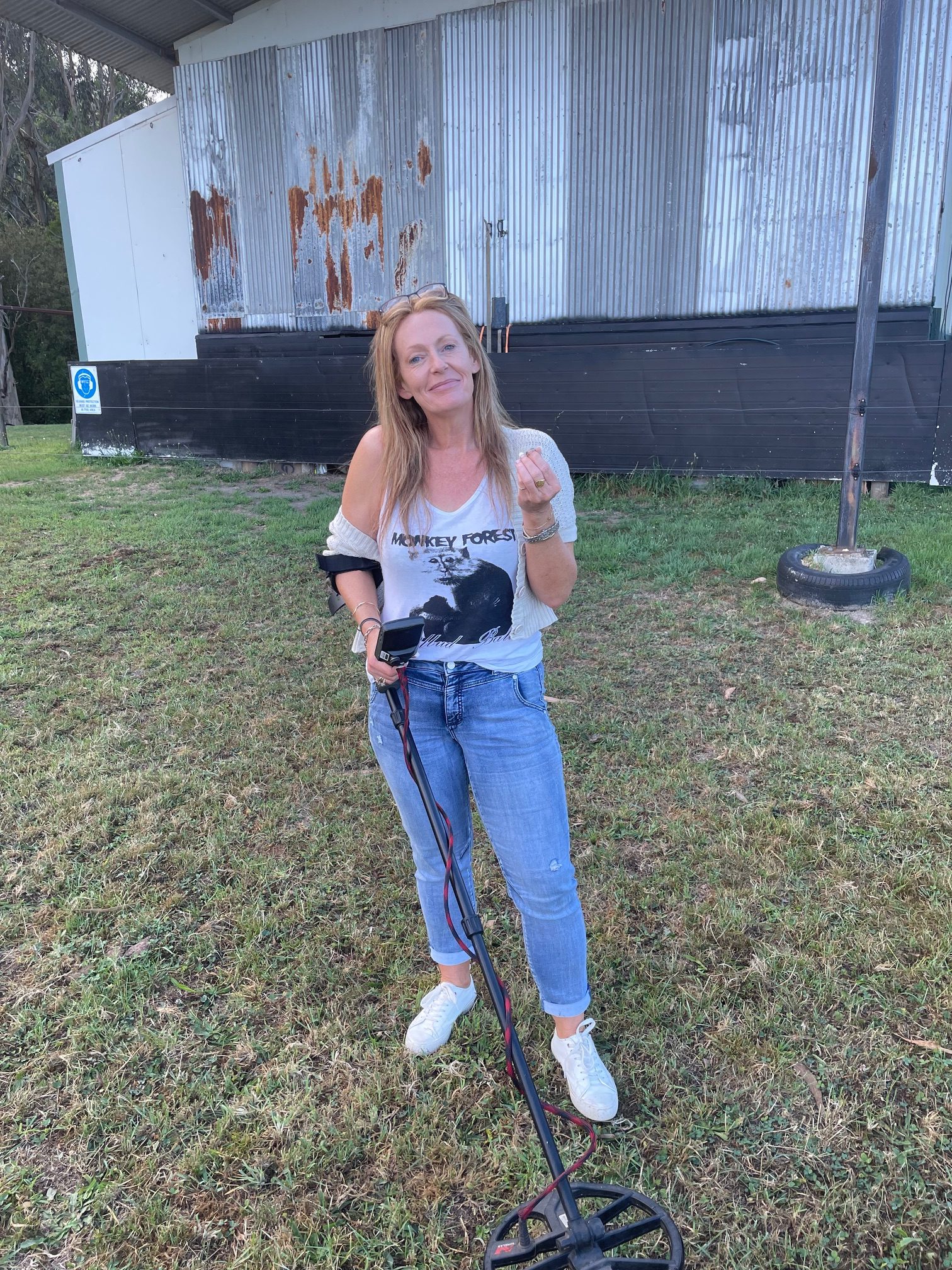
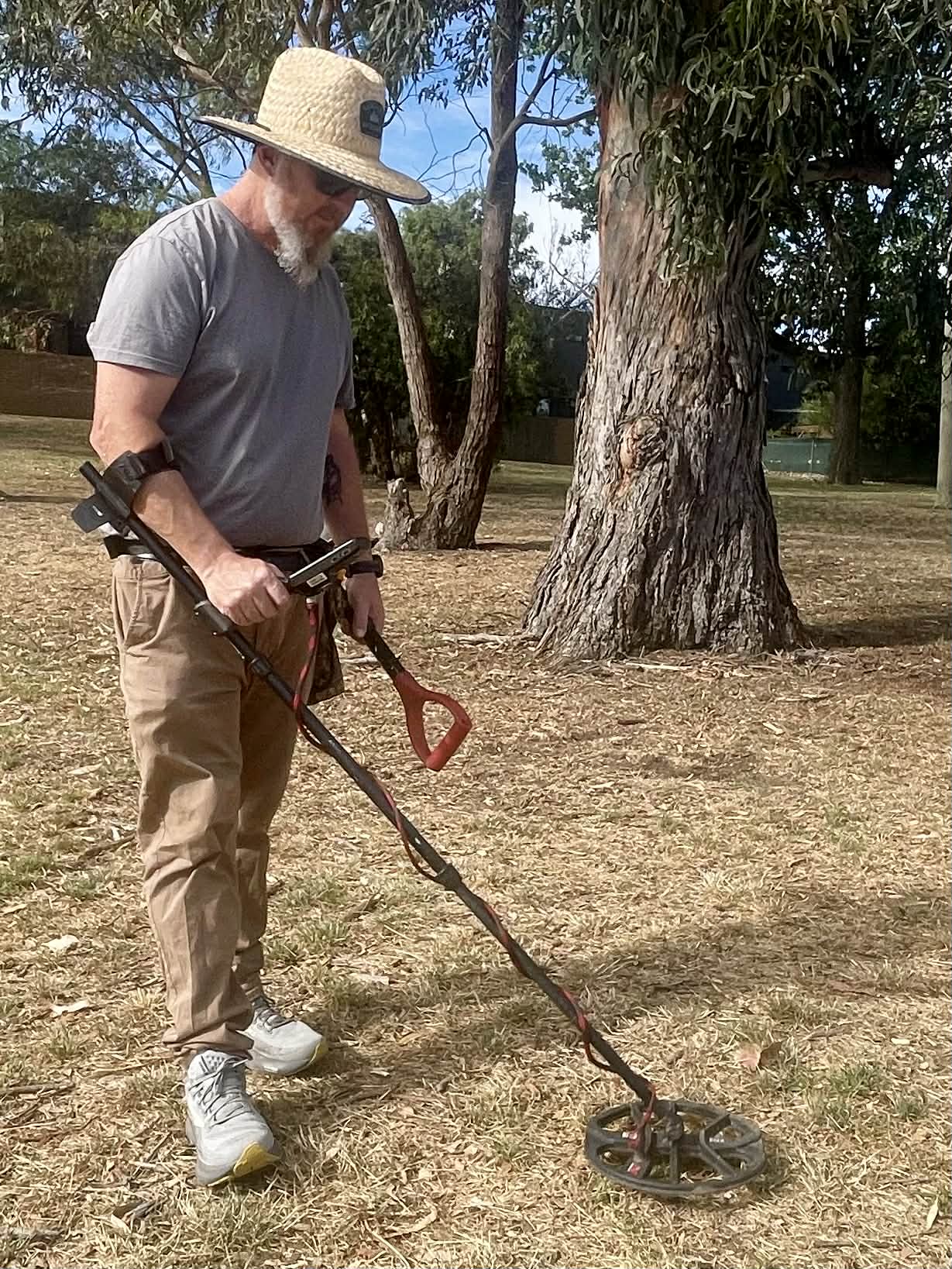
A search on dry land. Be it in a park, your back yard, or on the sand at the beach.
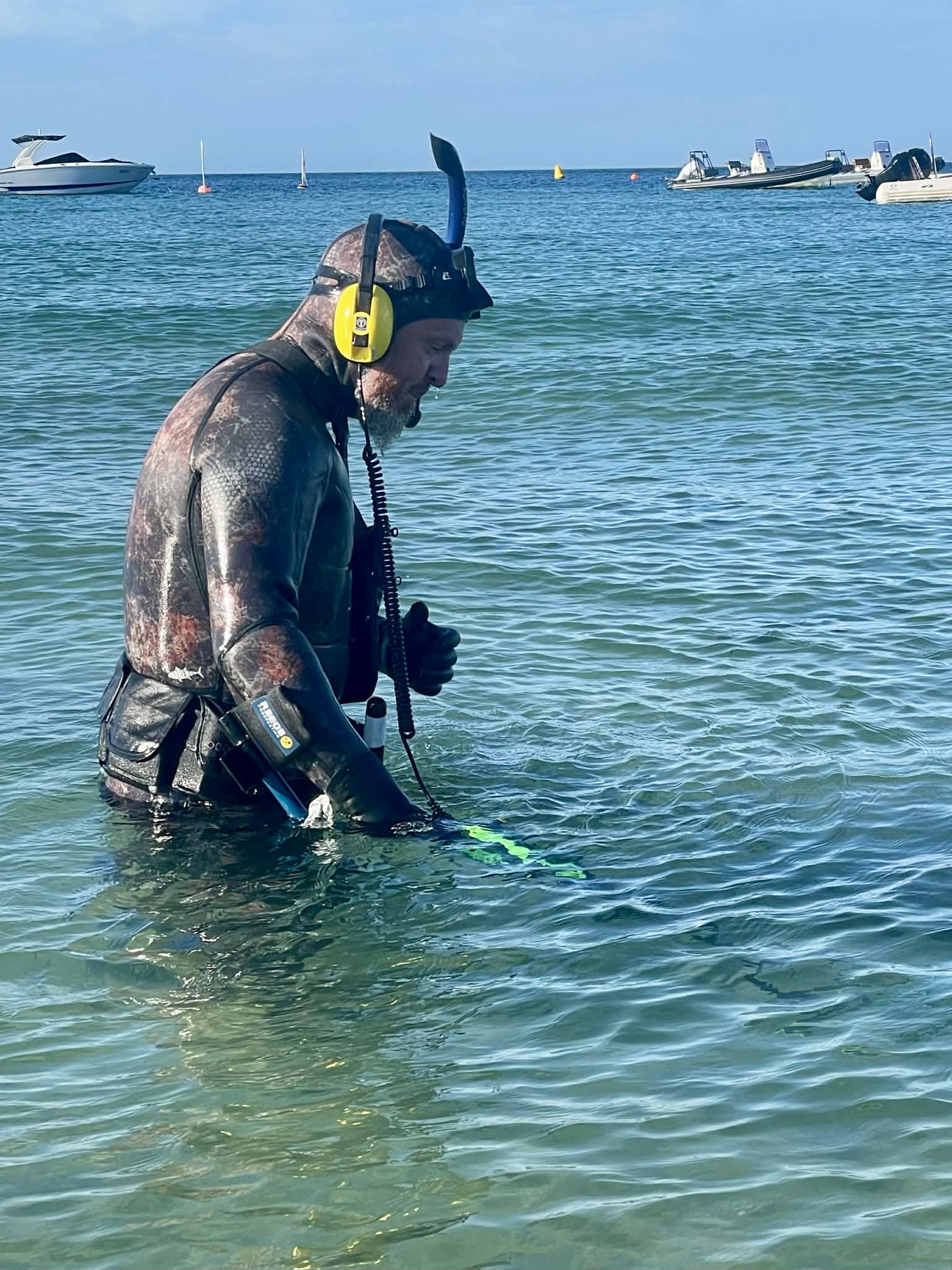
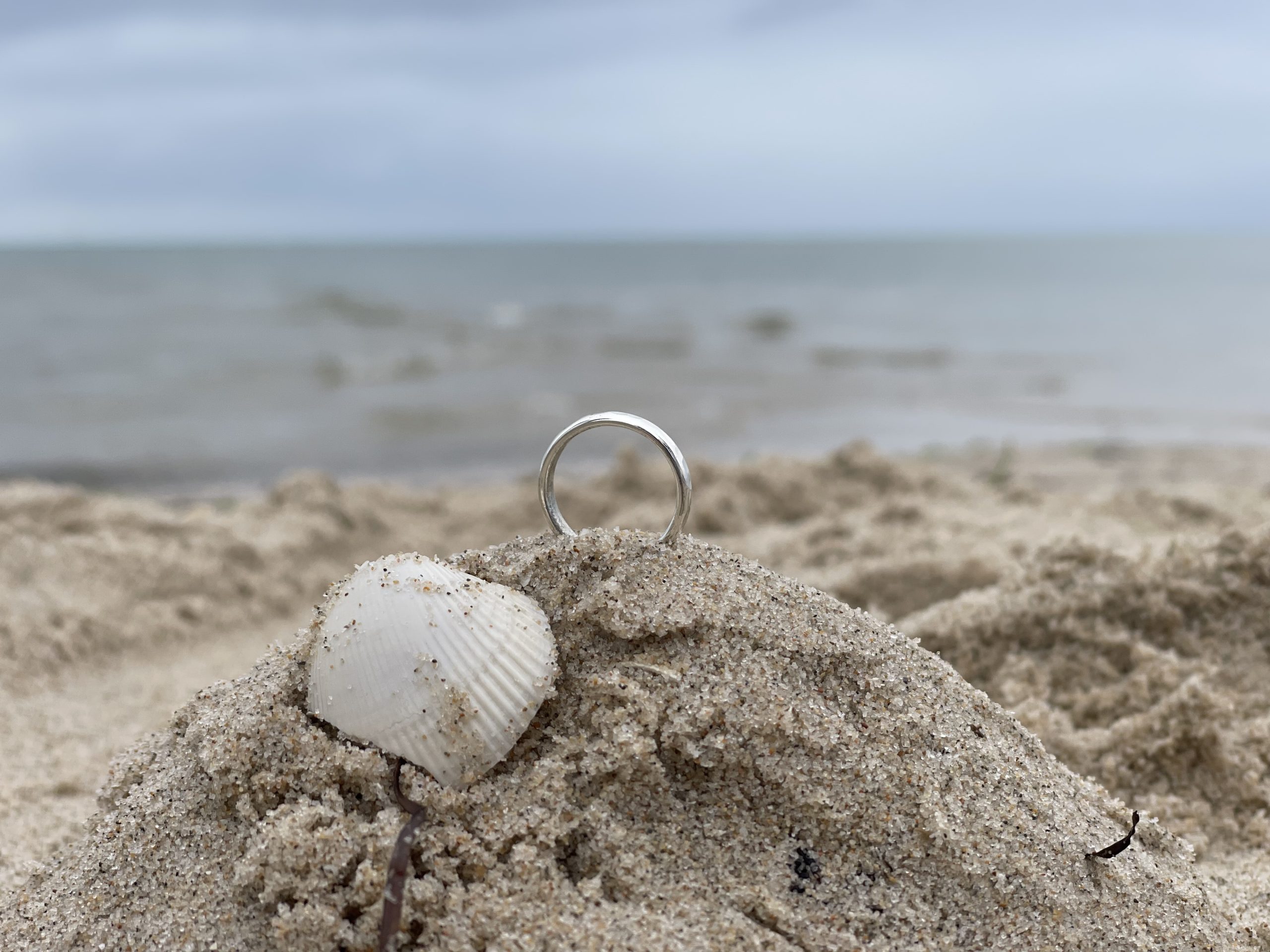
In-water search up to chest deep. At the beach, or in your local swimming hole. Utilising the latest in underwater detectors.
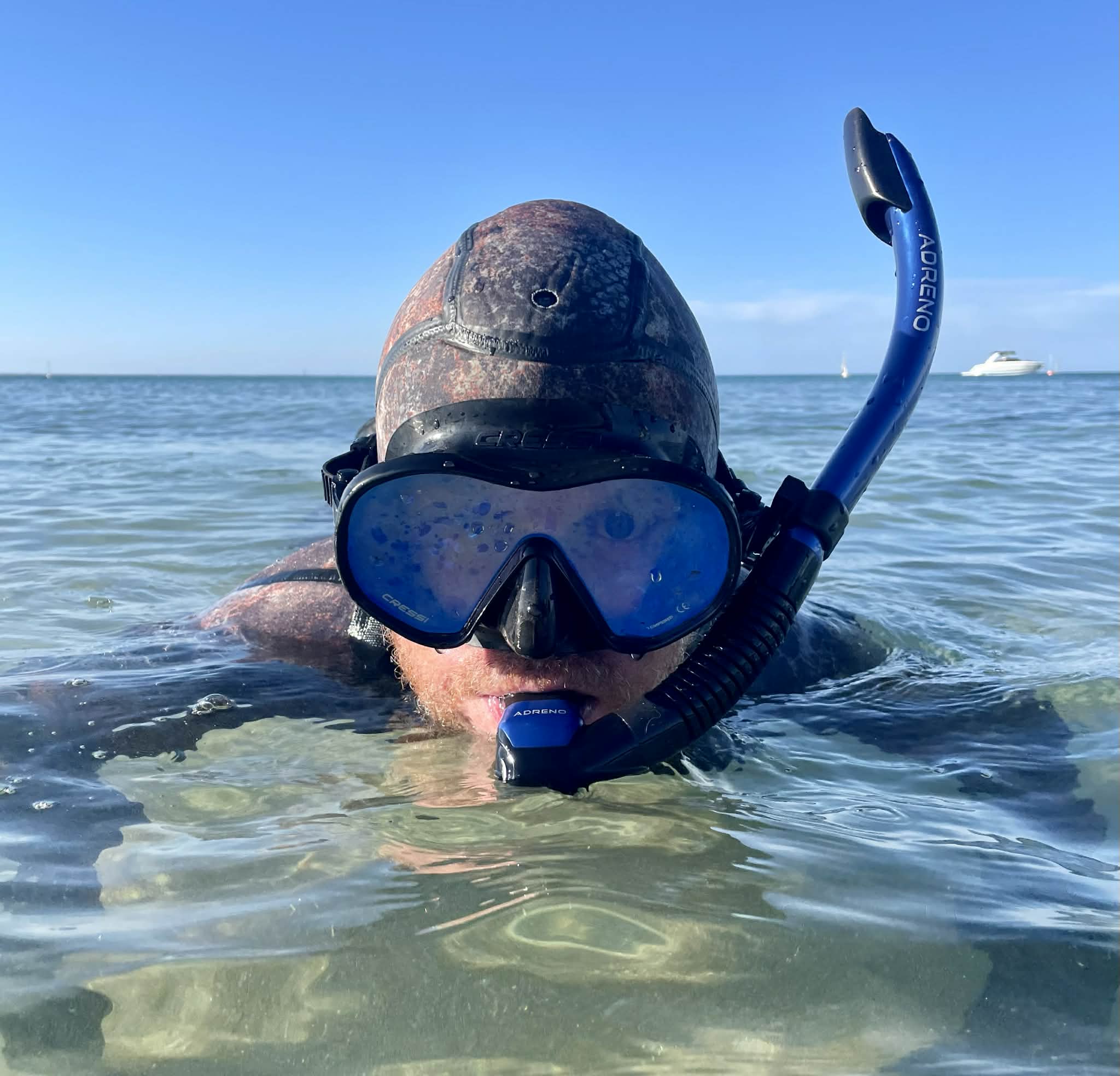
We utilise Scuba Equipment to get to a lost item that's a little bit deeper.